Introduction
You already know that backlinks are important if you’ve taken the effort to master SEO. They continue to be among the most powerful indicators that search engines employ to determine which pages should be ranked higher. However the true question is not whether or not to create linkages but rather how to do it.
In this discussion two methods predominate: automatic link building and manual link building. One is labor intensive slow and concentrated on actual value. The other is quick tool driven and frequently numerical in nature.
A lot of beginners get tempted by automation because it promises quick results. But experienced SEO professionals almost always lean toward manual link building for long-term growth.
This article goes deep into both methods. Not just surface level differences, but how they actually work in real scenarios, what results they produce over time, and which one you should rely on if you want sustainable success.
Describe Manual Link Building
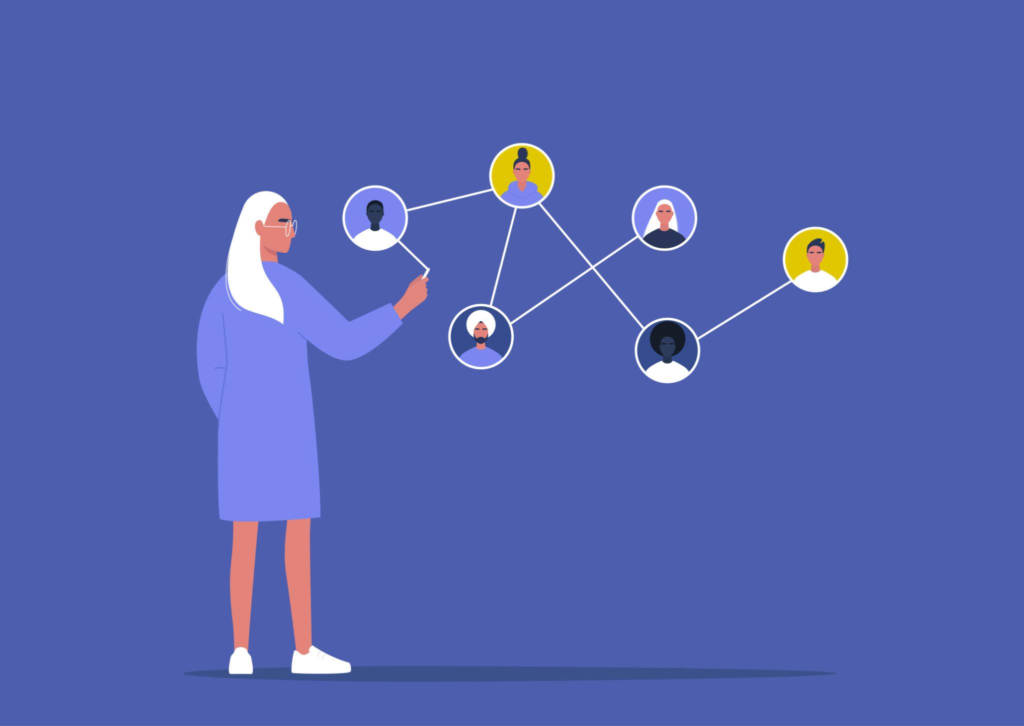
Getting backlinks by hand instead of utilizing automation is exactly what manual link building entails. It entails conducting website research producing informative material contacting actual people and establishing connections.
Every link you get is intentional. You decide how it fits into your entire SEO strategy where it comes from and why it matters.
A Simple Way to Understand It
Consider manual link creation as a real world kind of networking. You establish connections with others add value and eventually those connections become opportunities.
The same thing happens online. Instead of randomly dropping your link everywhere, you place it where it actually makes sense.
How Manual Link Building Works in Practice
Manual link building isn’t just one activity. It’s a set of interconnected steps.
Step 1: Research
Finding websites in your niche is the first step. These could be resource pages blogs or news websites that are pertinent to your material.
Step 2: Content Creation
Next, you create something worth linking to. This could be an in depth manual a case study or something special that addresses an actual issue.
Step 3: Outreach
Next you get in touch with bloggers editors and proprietors of websites. You show them your material and describe how their audience would benefit from it.
Step 4: Relationship Building
Developing a relationship with them can lead to future opportunities even if they don’t connect with you right away.
Popular Manual Link Building Methods
Guest Posting
You incorporate a link back to your website in an article you create for another website. When the content is actually helpful rather than promotional this works best.
Broken Link Building
You find broken links on websites and suggest your content as a replacement. Website owners appreciate this because it improves their site.
Resource Page Links
Many websites have pages that list useful resources. If your content fits, you can request inclusion.
Outreach for Mentions
Sometimes your brand or content is mentioned without a link. You can reach out and ask them to add one.
Editorial Links
These are the best kind of links. They happen when someone links to your content naturally because it adds value.
Why Manual Link Building Works So Well
Relevance Matters
When you manually choose where your link goes, you ensure it’s relevant. Search engines care a lot about this.
Trust Signals
Links from real websites with real audiences send strong trust signals.
Natural Growth
Search engines want to see a natural backlink profile which is what manual link building produces.
Challenges of Manual Link Building
Let’s be honest it’s not easy.
It Takes Time
You won’t see results overnight. Building quality links takes weeks or even months.
It Requires Effort
You need to write content, send emails, follow up, and sometimes face rejection.
Results Are Slower
Compared to automation, the pace is slower. But slower doesn’t mean weaker.
What is Automated Link Building?
With minimal human intervention automated link building generates backlinks using tools or software.
You rely on technologies that create links for you rather than contacting people or writing material by hand.
How Automated Link Building Works

Automation tools can perform tasks like:
- Posting comments with links on blogs
- Submitting your site to hundreds of directories
- Creating profiles with backlinks
- Generating articles and publishing them automatically
- Building links through networks of websites
All of this can happen quickly, sometimes within hours.
Why People Use Automated Link Building
Speed
In a short amount of time you can generate thousand of links.
Convenience
Once set up, the tool does most of the work.
Low Initial Cost
Compared to hiring writers or outreach specialists, tools can seem cheaper.
The Reality of Automated Link Building

At first glance, it looks attractive. But there’s a downside.
Low-Quality Sources
Most automated links come from weak websites that have little to no authority.
Irrelevant Placement
Your link might appear on sites that have nothing to do with your niche.
Spam Signals
Search engines are very good at identifying spammy patterns.
Manual Link Building vs Automated: A Real Comparison
Quality vs Quantity
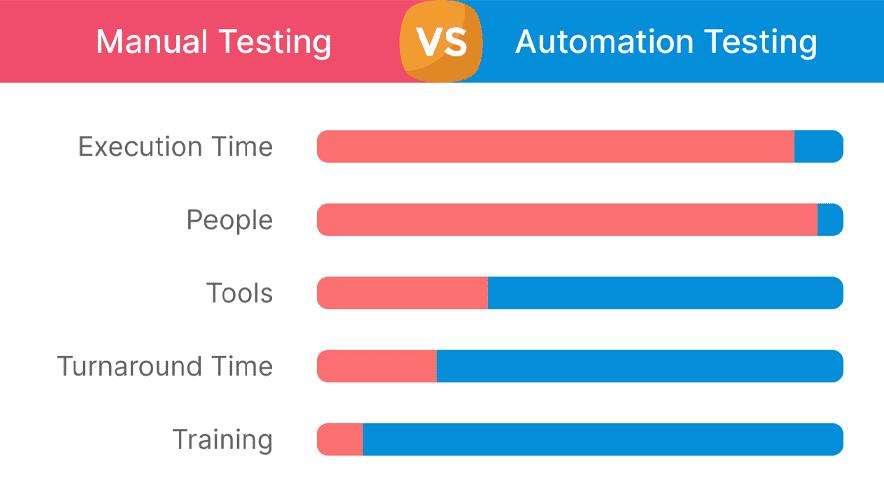
Manual link building focuses on fewer, stronger links.
Automated link building focuses on many weak links.
Long-Term vs Short-Term
Manual links stay valuable over time.
Automated links often lose value quickly.
Safety vs Risk
Manual methods are safe.
Automated methods may result in penalties.
What Takes Place When You Depend on Automation
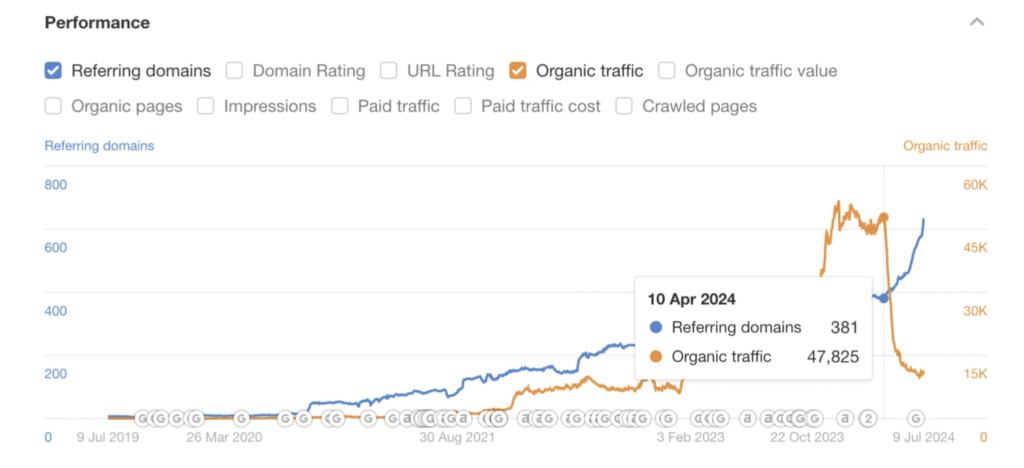
Many people try automation for quick wins. Sometimes they even see a temporary boost in rankings.
However then something takes place.
Search engines detect unnatural patterns too many links, same anchor text, low-quality domains. When that happens, rankings drop.
In some cases, websites take months to recover.
A Realistic Scenario
Let’s say two website owners start at the same time.
One uses automation and builds 10,000 links in a month.
The other uses manual link building and gets 40 high-quality links.
At first, the automated site might jump ahead.
But after a few updates, those links lose value—or worse, trigger a penalty.
Meanwhile, the manually built links continue to grow in value.
Why Manual Link Building Wins in the Long Run
Stability
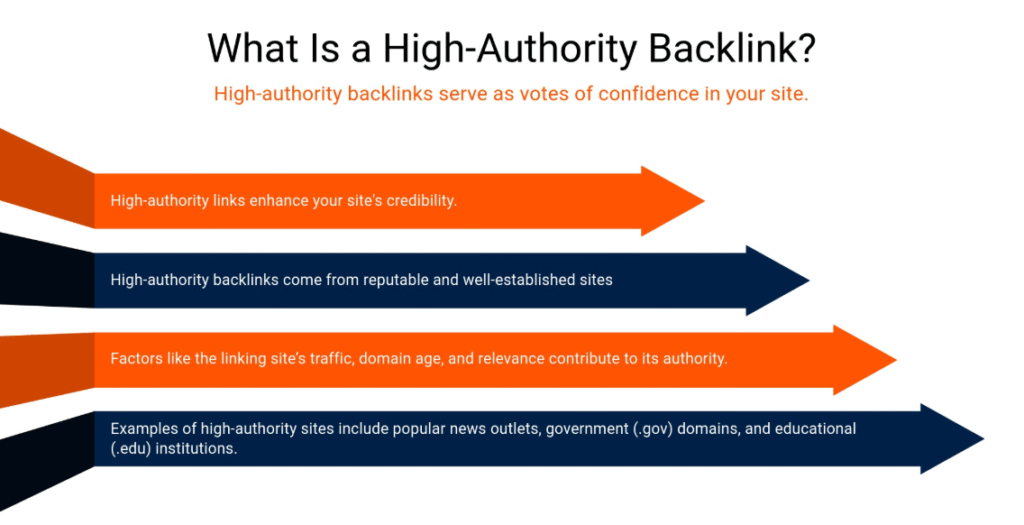
Manual links don’t disappear overnight. They stay and keep helping your rankings.
Authority
Being featured on good websites builds your reputation.
Real Traffic
People actually click on these links because they are placed in relevant content.
The Role of Content in Manual Link Building
Content is the backbone of manual link building.
If your material is subpar even the best outreach will be useless.
What Good Content Looks Like
- Clear and helpful
- Well-structured
- Solves a problem
- Easy to read
- Offers something unique
When your content is strong, link building becomes easier.
Outreach: The Human Side of SEO
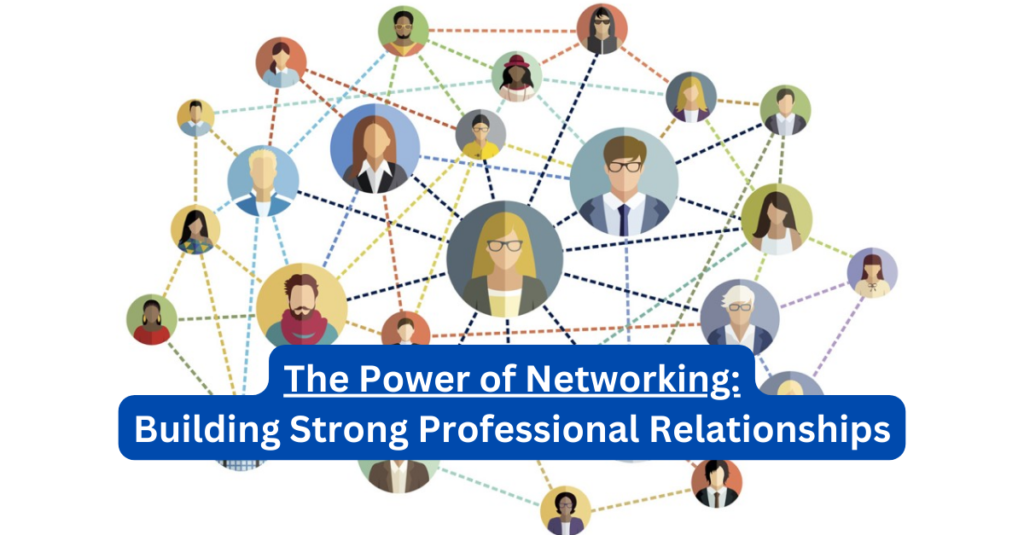
Outreach is where manual link building really stands out.
You’re not just sending emails you’re starting conversations.
What Makes Outreach Effective
- Personalization
- Respect for the recipient’s work
- Clear value
- Short and direct communication
When people perceive you as sincere they are more likely to react.
Mistakes People Make in Manual Link Building

Sending Generic Emails
Copy paste messages rarely work.
Targeting the Wrong Websites
Relevance is more important than authority alone.
Being Too Pushy
No one likes aggressive requests.
Is It Safe to Use Automation?
Yes but only to a certain extent.
Where Automation Helps
- Finding email addresses
- Tracking outreach campaigns
- Analyzing backlinks
- Identifying opportunities
Where It Should Not Be Used
- Creating backlinks directly
- Posting spam comments
- Generating low quality content
Automation should support your strategy not replace it.
The Future of Link Building
Search engines are getting smarter. They focus more on quality, user experience, and trust.
This means shortcuts are becoming less effective.
Manual link building fits perfectly into this future because it is based on real value.
Final Verdict
If you’re thinking long term, manual link building is clearly the better option.
It may take more effort but it gives you:
- Strong and reliable backlinks
- Better rankings over time
- A trustworthy brand image
Automated link building might look tempting but the risks are simply too high.
Conclusion
At the end of the day, SEO is not about tricks it’s about trust.
Manual link building helps you earn that trust step by step. It connects you with real people, real websites, and real audiences.
Automated link building, on the other hand, tries to skip the process. And in most cases, skipping the process leads to problems.
If you want lasting results, steady growth, and a strong online presence, manual link building is the way to go.
It’s slower, yes but it works.